















01
You know the end date on day one
Every matter is registered to a track when it is referred, and each track has a fixed outer limit. You are told that date before you commit, not once the matter is running.

Verca Arbitration administers commercial arbitration in South Africa from referral to award, with a specialist panel, purpose built rules, Verca Case Accord and physical, virtual or hybrid hearing arrangements under a single fee.
Verca Case Accord gives each authorised user a secure, role based view of their matters, documents, Rule aligned workflow, deadlines and reporting. The system administers every matter, tracks compliance with the Rules and acts on non compliance, while a dedicated case manager oversees the process and carries the arbitration forward within its set timeframe.
Created and curated by leading South African legal specialists.
Commence an arbitrationAsk any commercial practitioner how long their oldest unresolved matter has been running. The answer is usually measured in years, and it is rarely their fault. Clients lose confidence in the process, and practitioners carry blame for delay they did not cause.
We built Verca so that the date holds. The rules set it, the platform enforces it, and the institution does not wait for the parties to agree a new one.
Most commercial disputes fail on one of three things: the cost moves, the dates slip, or the outcome can be reopened. Verca is built so that none of the three happens.
Every matter is registered to a track when it is referred, and each track has a fixed outer limit. You are told that date before you commit, not once the matter is running.
The arbitrator, the venue, the transcript and the platform are all in it. You are quoted in writing before you commit, and that figure does not move.
If a party misses a step, the matter carries on. We do not wait for the parties to agree new dates, because that is where arbitrations go to die.
Our panel is senior and invitation only. Because the arbitrator is paid on our tariff out of the single fee, nobody in the room earns more by taking longer.
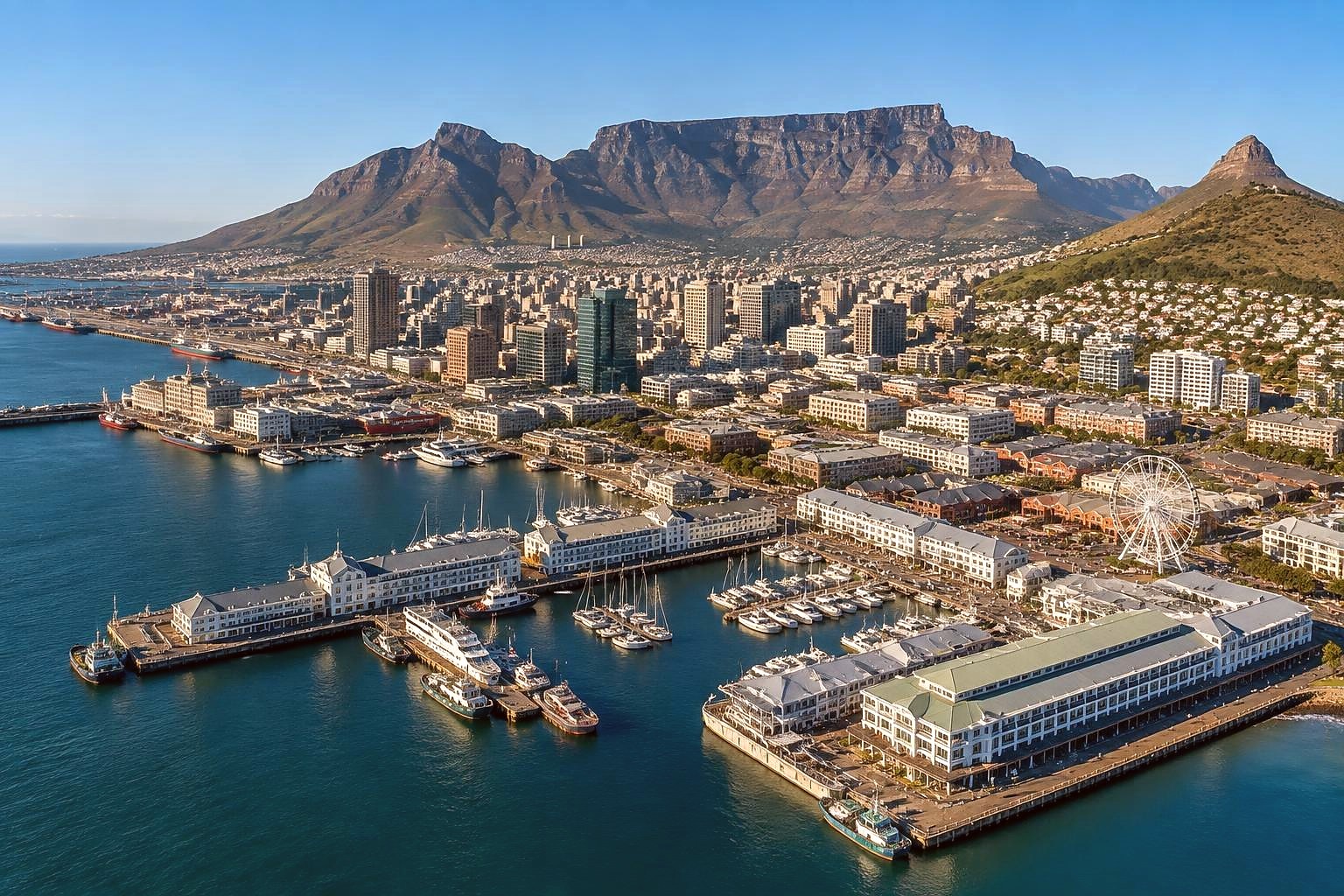
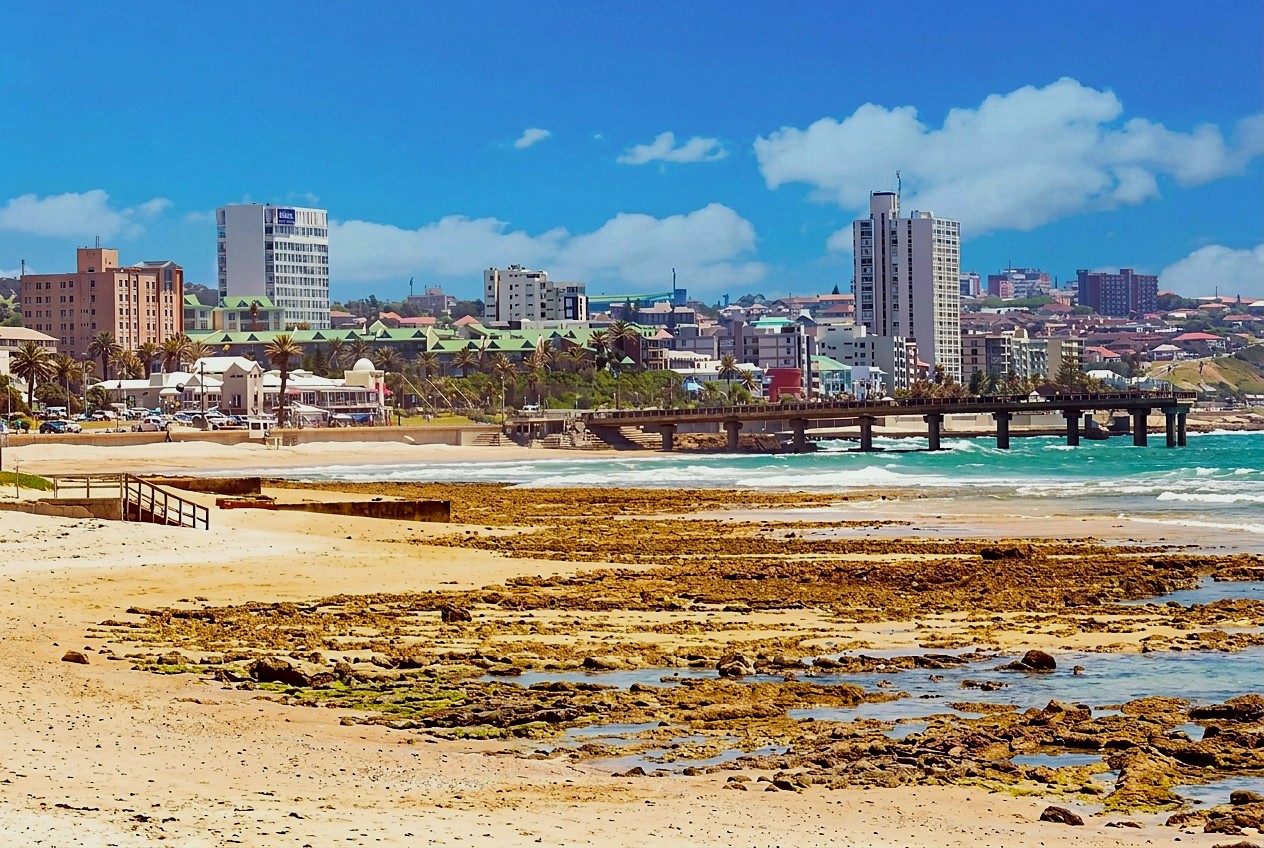
We hear matters in the major centres, and case data sits on infrastructure in the South Africa region, in line with POPIA.
The urgent tracks run in days. On the Emergency Ad Hoc and Interim Interdictory tracks the arbitrator is appointed within 24 hours and the award follows within 48 hours of the parties’ submissions, which puts the outer limit at about eight days from commencement. Expedited runs in 120 days, Complex in 150 and Appeal in 90. Those are outer limits set by the Rules, not estimates. An extension is granted only through Verca, is capped at 30 days, and may go beyond 30 days only in exceptional circumstances. Where a counterclaim is brought, the outer period is extended by 10 days on the Expedited track and by 15 days on the Complex track.
Each matter is registered to one of five tracks on referral, and proceeds under the rules of that track.
A standalone urgent determination for matters that cannot wait.
Urgent interim and preservation relief in support of a pending or intended main arbitration.
A streamlined procedure for straightforward commercial matters on a shorter defined timeline.
High value and multi issue commercial disputes on the fuller defined timeline.
A limited internal appeal on the merits of an award, where the parties have elected it.
Three sector rule sets overlay the expedited and complex tracks. A matter running under one of them keeps the same timetable and the same outer limit, with the procedure adapted to how disputes in that sector are actually fought.
Recovery, enforcement and facility disputes, on the base track timetable.
Delay, defect, payment and variation disputes, on the base track timetable.
Shareholder, director and insolvency related disputes, including where notice to creditors or other affected persons is required.
Each is administered under the expedited or complex rules as the base rules for the matter.
Curated by leading South African legal specialists, the Verca framework consists of five rule sets, one for each track, and three sector rule sets that overlay them. Two protocols apply to every proceeding, one governing service, delivery and the custody of security, the other governing how time is computed and the reference time by which every period is measured.
The rules are governed by the Arbitration Act 42 of 1965, and personal information is handled under the Protection of Personal Information Act, 2013. Every instrument is published, versioned and dated, and the version in force when a matter commences is the version that governs it to the end.
Every filing and communication runs through the institution's electronic system, which applies a timestamp on transmission against South African Standard Time. That clock is the authoritative record of when a step was taken, which is what allows a timetable to be held rather than argued about.
Disputes are heard by senior practitioners drawn from the Verca panel, nominated by the parties or appointed under the Rules, and sitting on the institutional tariff rather than their own rates, so the cost of the arbitrator is known from the outset.
A smaller dispute takes a less senior arbitrator on a shorter track, and is priced accordingly. Matters that are uneconomic to litigate are not uneconomic to arbitrate here.
For each hearing the institution sources and arranges a suitable venue in the place most convenient to the parties, and facilitates virtual and hybrid hearings where that suits the matter. Venue and transcript are provided by the institution as part of the single fee.
Tell us about the dispute and we will come back with the track and the fee in writing. It costs nothing, and it does not commence an arbitration.
We are building a mediation service on the same basis: one fee, fixed dates. Tell us if you want to hear when it opens.